
What Is Grant Management Software?
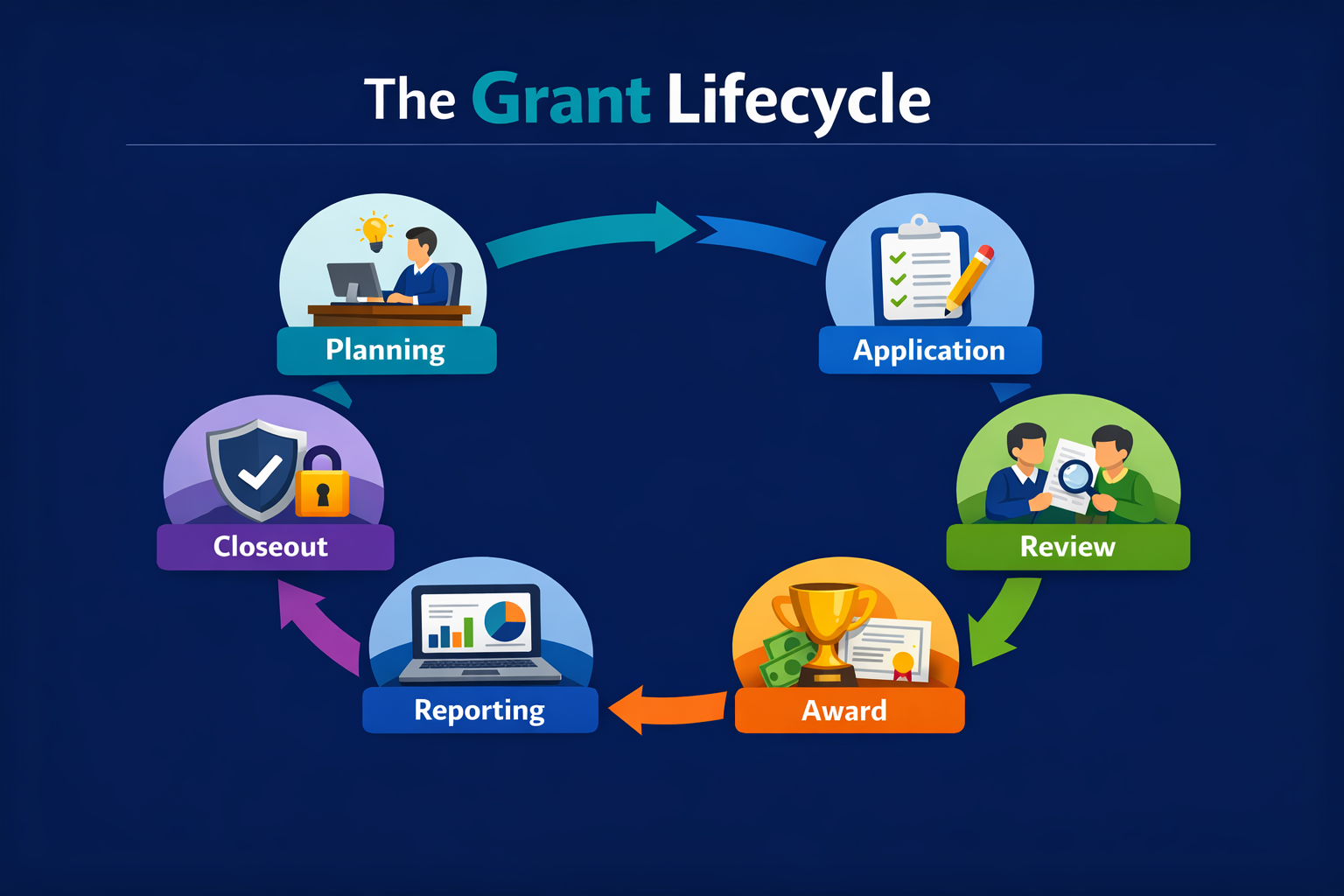
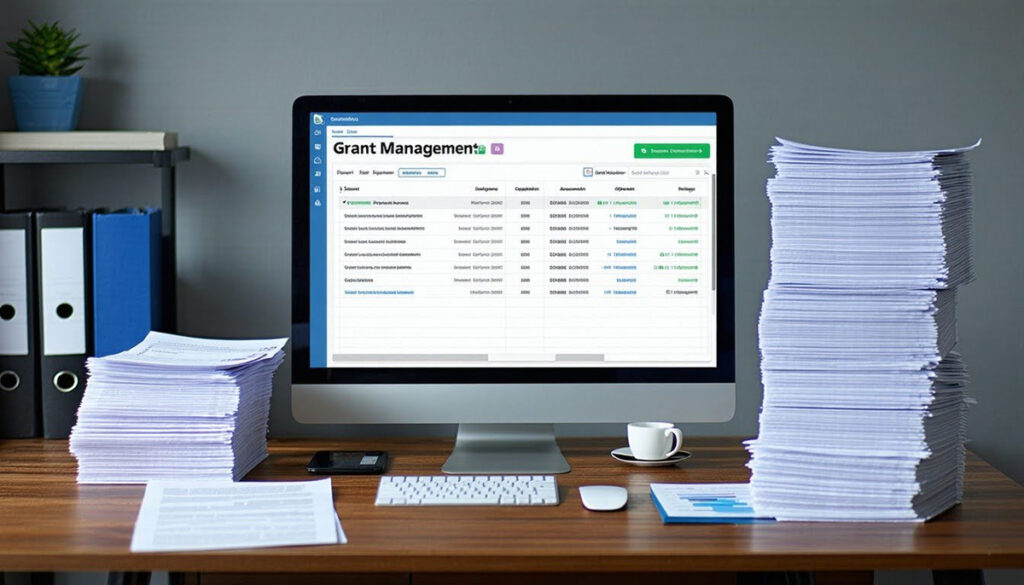
Grant management software is a digital platform that helps organisations administer the full grant lifecycle, from application and review through to award, reporting, and compliance. It replaces manual, spreadsheet-based processes with automated workflows, centralised data, and audit-ready records.
Solutions are used by local authorities, universities, foundations, nonprofits, and private sector bodies managing funding programmes of all sizes. As public funds face greater scrutiny and compliance demands continue to rise, the tools organisations use to manage grants must keep pace.
Whether you are overseeing a competitive funding round, managing recurring awards, or running a multi-stage grant programme, a purpose-built grant management system brings structure, transparency, and speed to your workflow.
At its core, this software serves as a centralised hub where every stakeholder, from applicants and reviewers to programme managers and auditors, can collaborate efficiently. It reduces administrative burden, eliminates paperwork, and ensures every step follows current regulations.
For grant managers in local authorities, universities, nonprofits, and foundations, adopting the right grant management software is more than a technology upgrade. It is a strategic move towards modernising programme delivery.
In the sections below, we explore the seven key trends shaping grant management in 2026 and what each one means for your organisation.
Grant management is evolving rapidly. As public sector bodies, nonprofits, and grant-making institutions face tighter budgets, rising compliance demands, and increased pressure to demonstrate impact, the platforms they rely on must keep pace. Understanding where the sector is heading helps organisations make smarter investment decisions and stay ahead of change.
1. Cloud-Based Grant Management Is Replacing Legacy Systems
Cloud-based grant management software allows teams to access, review, and manage funding programmes from any device, in any location, without the infrastructure costs of on-premises systems. The shift towards cloud-first platforms is now well established across both public and private sectors, and grant administration is no exception.
Key advantages of cloud-first platforms include:
- Real-time collaboration across departments and locations
- Automatic software updates without IT involvement
- Scalability to handle increased application volumes without additional infrastructure
- Reduced total cost of ownership compared to legacy systems
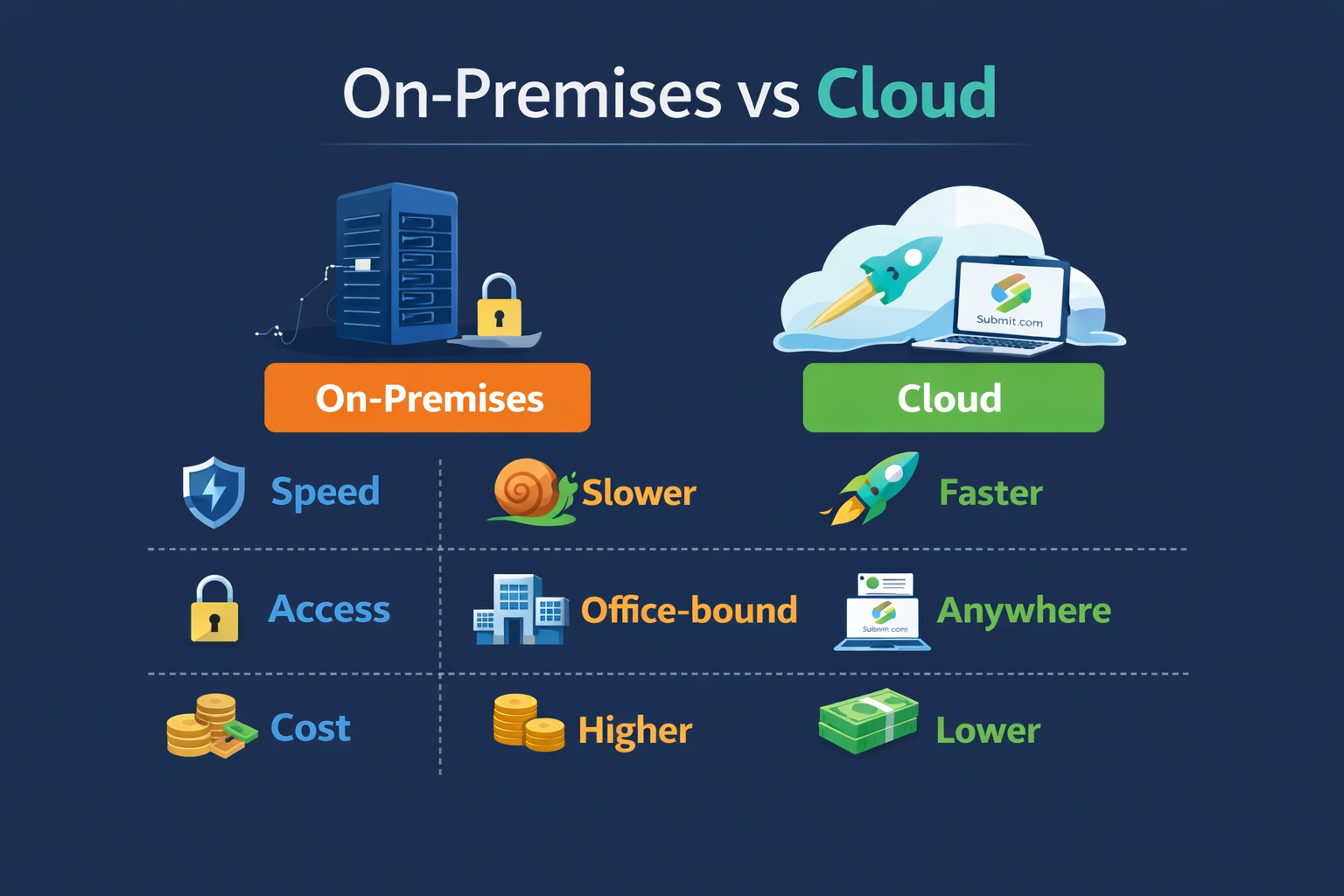
Why this matters: Organisations still relying on on-premises or hybrid systems face growing gaps in speed, transparency, and efficiency compared to cloud-native alternatives. In 2026, cloud adoption is no longer a forward-thinking choice. It is the baseline expectation.
2. Automation Is Now Expected in Grant Workflows
Grant teams are under increasing pressure to do more with less. Workflow automation addresses this by eliminating time-consuming manual tasks across the grant lifecycle, including:
- Sending applicant notifications and deadline reminders
- Routing applications to the appropriate reviewers
- Generating compliance and progress reports
- Flagging incomplete submissions before the deadline passes
Research consistently shows that automation reduces administrative processing time by up to 40% in public sector workflows. For grant teams managing dozens or hundreds of active awards simultaneously, this saving is significant.
Why this matters: Automation reduces errors, accelerates decision-making, and frees staff to focus on strategic priorities rather than administrative overhead. Teams that have not yet automated routine tasks are spending time and budget they do not need to.
3. Data-Driven Grant Management Is Improving Accountability
Modern grant management platforms offer built-in analytics that allow organisations to monitor programme performance, track outcomes, and identify bottlenecks in real time. Rather than relying on quarterly reports or manual data pulls, grant administrators can access live dashboards showing:
- Application volumes and completion rates
- Reviewer workloads and assessment timelines
- Award distribution by geography, sector, or organisation type
- Programme outcomes against agreed milestones
Some advanced platforms now offer predictive analytics, helping teams anticipate common points of failure before they affect delivery.
Why this matters: Data-driven decision-making strengthens accountability to funders, boards, and the communities organisations serve. In an environment where public spending faces close scrutiny, the ability to report clearly on outcomes is not optional.
4. AI in Grant Management: Early Applications and What to Expect in 2026
Artificial intelligence is making meaningful contributions to grant management, with practical deployments now moving beyond pilot stage for many organisations. Current use cases include:
| AI Application | What It Does |
|---|---|
| Automated eligibility screening | Flags applications that do not meet criteria before manual review begins |
| Document classification | Sorts and categorises uploaded files without manual intervention |
| Natural language analysis | Identifies themes, risks, or gaps in narrative responses |
| Applicant-facing chatbots | Answers common questions to reduce support volume during open rounds |
As AI tooling matures through 2026 and beyond, broader applications such as risk scoring, fraud detection, and outcome prediction are expected to become standard features across grant management platforms.
Why this matters: AI has the potential to significantly reduce reviewer workload and surface insights that manual processes would miss. Organisations should look for platforms where AI supports, rather than replaces, human judgement.
5. User Experience Is Becoming a Competitive Differentiator
Poor user experience in grant management systems has a measurable cost: incomplete applications, frustrated reviewers, and high support volumes. Applicant expectations have shifted considerably. People now expect grant portals to be as intuitive as the consumer applications they use every day.
Leading platforms are investing in:
- Mobile-optimised application journeys
- Role-based dashboards tailored to applicants, reviewers, and administrators
- Reduced form complexity and clearer guidance at each step
- Accessibility compliance, including WCAG 2.1 standards
Improving digital experience in government-facing services can reduce incomplete submission rates by up to 25%, a meaningful improvement for any programme where completion rates affect both reach and reporting.
Why this matters: A well-designed grant portal increases completion rates, reduces support costs, and reflects well on the organisation administering the programme. In 2026, a poor applicant experience is a reputational risk.
6. Transparency and Compliance Are Non-Negotiable
With public funds under greater scrutiny than ever before, grant management platforms must provide complete audit trails and real-time visibility into every decision made throughout the funding cycle. Organisations need to be able to demonstrate:
- Who reviewed each application and when
- How decisions were made and documented
- That awards were distributed consistently with published criteria
- That reporting obligations were met on time
Features such as role-based access controls, immutable audit logs, and configurable compliance workflows are now standard expectations rather than optional extras. Platforms that cannot provide these out of the box are falling behind.
Why this matters: Transparency protects organisations from reputational and regulatory risk, and builds long-term trust with funders, beneficiaries, and the wider public.
7. Integrations Are Extending the Value of Grant Management Platforms
Grant management does not operate in isolation. The most effective platforms in 2026 integrate with the wider systems organisations already use, including:
- Finance and accounting software, for payment processing and reconciliation
- CRM platforms, for relationship and stakeholder management
- Identity and access management tools, for secure single sign-on
- Business intelligence and reporting tools, for cross-programme analysis
Integrated systems reduce duplicate data entry, improve accuracy, and give leadership teams a clearer picture of overall programme performance without the need to manually consolidate data from multiple sources.
Why this matters: Integration reduces manual effort and unlocks insights that siloed systems cannot provide on their own. A connected platform is a more useful platform.
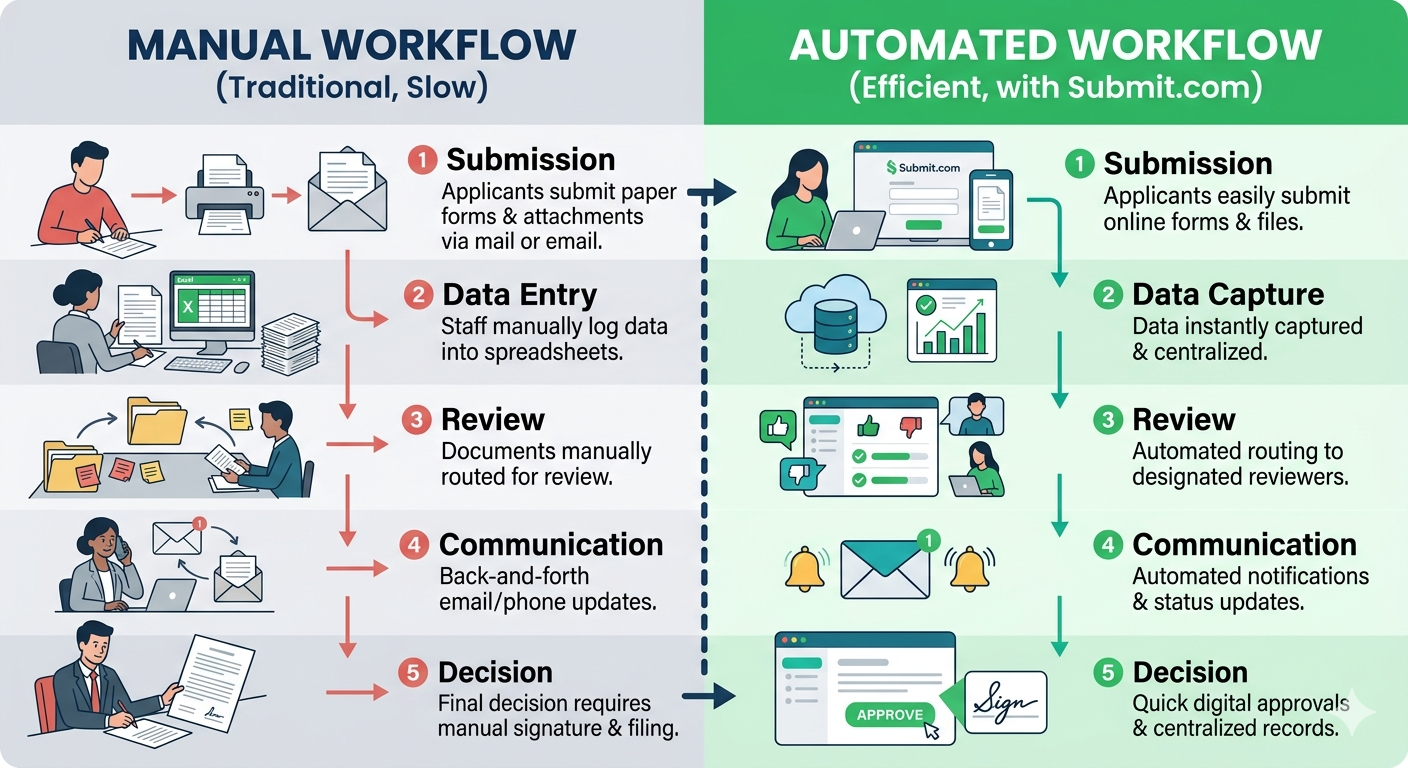
Manual vs. Automated Grant Management: A Comparison
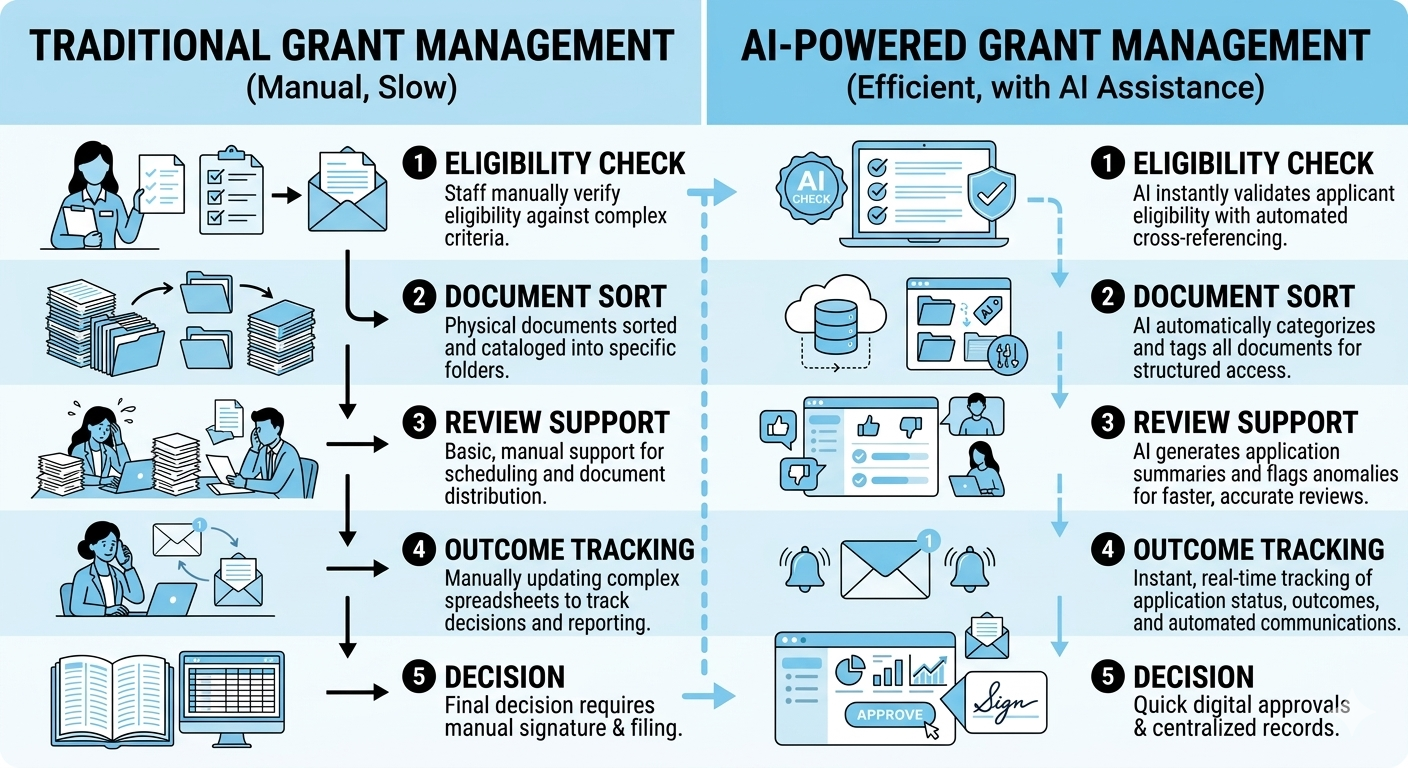
| Manual Workflow | Automated Workflow with Grant Management Software |
|---|---|
| Submissions received by email or PDF upload | Online forms submitted with built-in validation |
| Admin manually assigns applications to reviewers | Automatic reviewer assignment by phase, tag, or criteria |
| Reviewers score via spreadsheet or shared document | Scoring completed directly in a structured platform dashboard |
| Progress tracked manually in files or email threads | Real-time status tracking with configurable notifications |
| Deadline reminders sent manually by the admin team | Automated alerts and reminders triggered by workflow rules |
| Reports compiled by hand from multiple sources | Instant reporting with exportable dashboards and full audit logs |
Key Features to Look for in Grant Management Software in 2026
Choosing the right platform starts with understanding which features matter most for your organisation. Public sector teams need tools that reduce administration, ensure compliance, and deliver real-time insight, all while being straightforward to use across different levels of technical ability.
| Feature | Why It Matters |
|---|---|
| Online application forms with validation | Reduces incomplete submissions and manual follow-up |
| Configurable review and approval workflows | Supports complex, multi-stage programmes without added admin |
| Automated notifications and reminders | Keeps applicants, reviewers, and administrators on track |
| Full audit trails for every action | Ensures accountability and supports regulatory compliance |
| Real-time reporting dashboards | Enables data-driven decisions and clear funder reporting |
| Role-based access controls | Protects sensitive applicant data and restricts unauthorised access |
| Integration with finance and CRM systems | Reduces duplicate data entry and connects programme data across teams |
Frequently Asked Questions About Grant Management Software
What is the difference between grant management software and a grants database?
A grants database helps organisations find funding opportunities. Grant management software helps them administer funding programmes, managing applications, assessing submissions, tracking compliance, and reporting on outcomes. The two serve different purposes and are often used together.
Is grant management software suitable for small organisations?
Yes. Many platforms offer tiered pricing or configurations suited to smaller teams managing a modest portfolio of awards. Cloud-based solutions in particular carry lower entry costs than legacy on-premises alternatives and can scale as programme volumes grow.
What features should I look for in grant management software?
Key features to evaluate include online application forms, configurable review workflows, automated notifications, audit trails, reporting dashboards, compliance tracking, and integration with finance or CRM systems. The right combination depends on the size and complexity of your programme.
How is AI being used in grant management in 2026?
Current AI applications in grant management include eligibility screening, document classification, and applicant-facing chatbots. More advanced uses, such as outcome prediction and risk scoring, are becoming more widely available across leading platforms in 2026.
How do I make the case for investing in grant management software?
Focus on time savings from automation, reduced compliance risk, improved applicant experience, and the ability to report on outcomes more clearly. Calculating the cost of current manual processes, including staff time and error rates, typically builds a strong business case for senior stakeholders.
How secure is a cloud-based grant management platform?
Leading platforms include built-in encryption, role-based access controls, audit trails, and data compliance frameworks including GDPR. When evaluating vendors, ask specifically about data residency, penetration testing schedules, and multi-factor authentication support.
Can grant management software support multiple programmes at once?
Yes. Cloud-based platforms are designed to scale. Whether you are running one large funding programme or multiple recurring cycles, a platform like Submit.com allows you to configure separate phases, forms, and workflows for each, all from a single dashboard.
What the Future of Grant Management Looks Like
The direction of travel is clear. Grant management is moving away from manual, siloed, and reactive processes towards systems that are automated, integrated, and evidence-led. In 2026, the gap between organisations using modern software and those relying on legacy methods is wider than ever.
- Technology is amplifying human capability, not replacing it
- Data is driving insight, accountability, and continuous improvement
- Transparency is a baseline expectation, not a differentiator
- Automation is accelerating impact while reducing administrative burden
Organisations that invest in the right technology now will be better placed to manage growing programme complexity, meet rising accountability standards, and demonstrate measurable impact to funders and stakeholders.
At Submit.com, we build cloud-based grant management software designed for exactly this environment, helping local authorities, foundations, universities, nonprofits, and funding organisations run more effective programmes.
Want to see how Submit.com supports these trends in practice? Request a demo or explore our grant management platform.




0 Comments